
Why Hormonal Changes Cause Hair Loss (and What You Can Do About It)
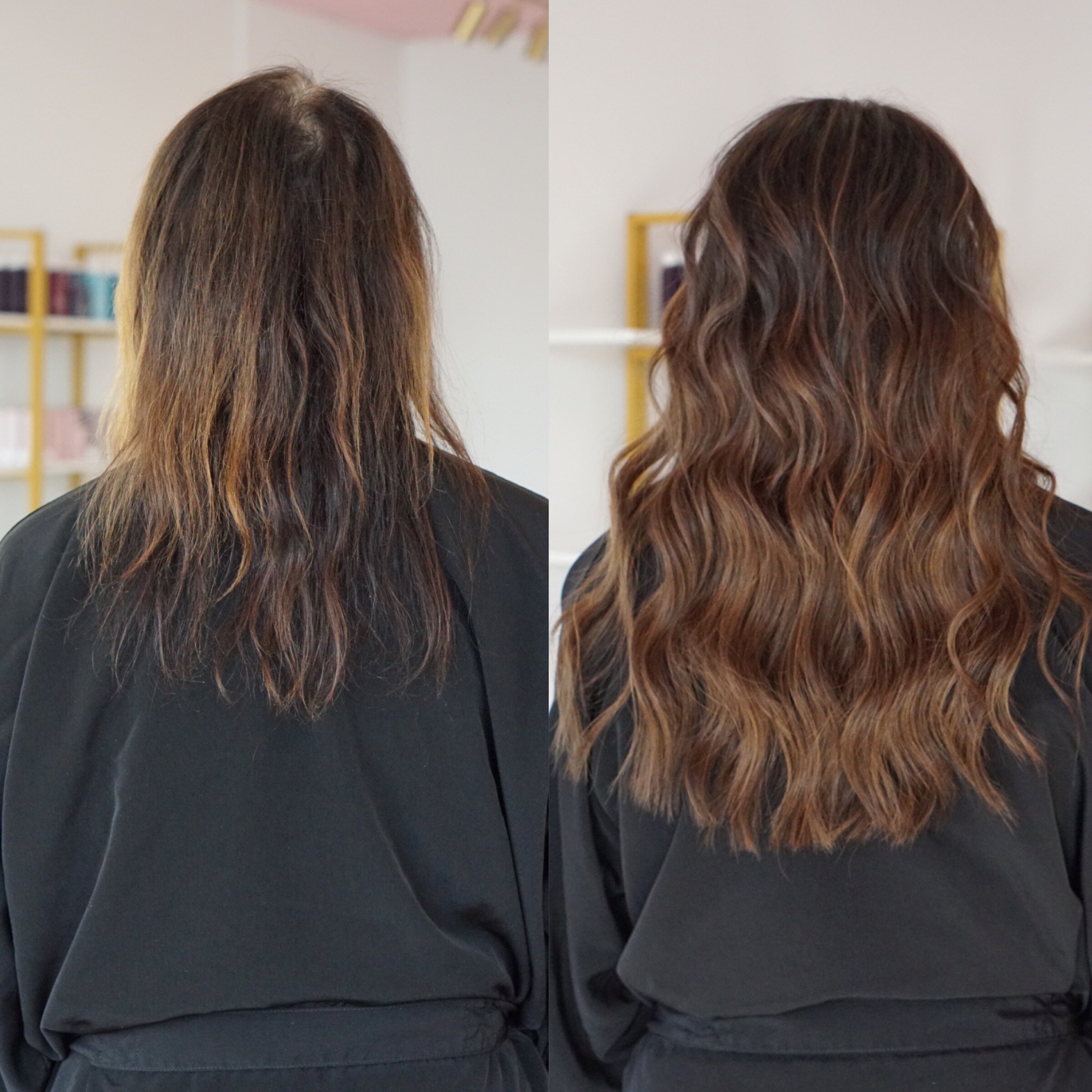
If your hair has started feeling thinner, shedding more than usual, or just doesn’t grow like it used to — you’re not imagining it. Hormonal changes can play a huge role in your hair’s health and growth cycle.
At Blond Studio in St. Petersburg, FL, we see women every day who are experiencing some type of hormonal hair loss — from postpartum shedding to perimenopause to stress-related thinning. The good news? You’re not alone, and there are real, beautiful solutions that can help you feel like you again. 💕
⚖️ How Hormones Affect Hair Growth
Your hair growth is influenced by a delicate balance of hormones — especially estrogen, progesterone, and testosterone. When these shift, your hair can react dramatically.
Here’s how it works:
Estrogen & progesterone help keep hair in its growth phase longer, giving it shine, fullness, and strength.
Testosterone and DHT (a byproduct) can shrink hair follicles, leading to finer, weaker strands.
When estrogen levels drop (like after pregnancy or during menopause), DHT has more influence, causing shedding or thinning — especially around the crown and temples.
Common hormonal triggers for hair loss:
Postpartum changes
Birth control or stopping birth control
Perimenopause or menopause
Thyroid imbalances
High stress or cortisol levels
👩🍼 Postpartum Hair Loss: What’s Normal
If you recently had a baby and suddenly feel like you’re losing handfuls of hair — take a breath, mama. It’s extremely common. During pregnancy, estrogen levels skyrocket, keeping your hair thick and lush. After giving birth, those levels plummet, and all the strands that didn’t shed during pregnancy finally let go.
It can feel scary, but postpartum shedding is temporary. Most women notice regrowth within 6–12 months. The key is gentle care — think bond-building treatments, nourishing products, and avoiding tight styles that add tension.
For postpartum clients, we often recommend:
K18 leave-in molecular repair mask to strengthen hair.
Scalp massage & exfoliation to promote regrowth.
Lightweight, low-tension extensions for volume while your hair rebounds.
🌙 Menopause & Perimenopause Hair Changes
As estrogen and progesterone decrease with age, you may notice:
Thinner ponytails
More visible scalp
Hair that breaks more easily
This is because DHT becomes more dominant, miniaturizing hair follicles over time. But that doesn’t mean you’re out of options!
At Blond Studio, we offer customized solutions — from hair extensions for thinning hair to scalp health treatments — that restore volume and confidence while keeping your natural hair healthy underneath.
💪 How to Support Healthy Hair During Hormonal Shifts
Here’s what you can do right now:
Prioritize scalp health. Healthy hair starts at the scalp. Use gentle cleansers and stimulating treatments.
Add protein + moisture. Treatments like K18 or Olaplex help rebuild broken keratin bonds.
Eat nutrient-rich foods. Iron, zinc, biotin, and omega-3s all play a role in growth.
Reduce stress. Elevated cortisol levels can accelerate shedding — mindfulness, movement, and sleep all help.
Book a professional consultation. Our stylists can help you explore non-damaging extensions for hair loss, color techniques that add dimension, and scalp-focused care routines tailored to you.
💕 You Deserve to Feel Confident Again
Hair loss can take a real toll on your confidence, but it doesn’t have to define your story. Whether you’re dealing with postpartum shedding or menopause-related thinning, there are modern, gentle solutions that look and feel completely natural.
At Blond Studio in St. Petersburg, Florida, we specialize in helping women experiencing hair loss restore not just their hair — but their self-confidence.
✨ Book a private consultation today to explore your options for extensions, restoration services, and personalized care.
👉 Book Now to start your transformation.
Q: Do hair extensions damage thin hair?
A: When extensions are customized correctly and maintained properly, they can be worn safely — even on thin hair. Damage usually comes from improper weight, placement, or maintenance.
Q: How long do hand-tied extensions last?
A: Hand-tied extensions typically last 6–8 weeks between maintenance appointments, depending on growth and lifestyle.
Q: What are the most natural-looking hair extensions?
A: Custom hand-tied extensions with proper placement, weight, and color blending offer the most natural-looking results.
Q: Is lived-in blonde really lower maintenance?
A: Yes. Lived-in blonde techniques are designed to grow out softly, reducing harsh lines and frequent touch-ups.
Q: How often should I maintain hair extensions?
A: Most extensions require maintenance every 6–8 weeks to protect natural hair and maintain a seamless blend.